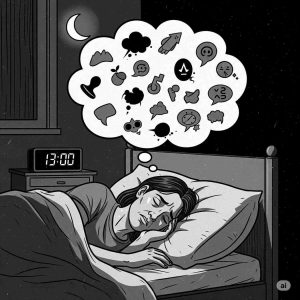

Peaceful Sleep Thoughts: A Guide to Restful Nights and Calmer Minds
Sleep isn’t just a physical need — it’s a sanctuary for the mind. In the stillness of the night, the thoughts we carry with us shape the quality of our rest. Peaceful sleep begins not just with a dark room or a soft pillow, but with the thoughts we choose to invite in. This article explores calming reflections and mindful techniques to help you drift into restful slumber, night after night.
1. Why Peaceful Thoughts Matter Before Sleep

Your mind doesn’t simply shut off when you go to bed — it continues to process, reflect, and wander. If filled with stress, guilt, or overthinking, your brain stays alert, making it harder to relax. Peaceful sleep thoughts are like gentle guides that redirect your mental energy away from chaos and toward calm.
2. Common Obstacles to Peaceful Sleep Peaceful Sleep Thoughts

Many of us struggle with:
- Racing thoughts or anxiety
- Regret over past events
- Anticipation of tomorrow’s tasks
- Digital distractions
Creating an intentional thought routine can counteract these barriers and reset your mind for rest.
3. Peaceful Sleep Thoughts to Reflect On Tonight Peaceful Sleep Thoughts

Here are a few calming reflections to repeat to yourself or meditate on before sleep:
💤 “I did enough today. I can rest now.”
Let go of the pressure to be productive every moment. You deserve rest.
🌌 “This moment is calm, and I am safe.”
Bringing your awareness to the present eases anxiety about the future.
🌿 “My body is sinking into comfort. My breath is steady.”
This helps anchor you in physical sensations, pulling attention away from mental noise.
🔄 “Each breath brings me closer to rest.”
A reminder that you are in a cycle — inhaling peace, exhaling tension.
💫 “Sleep is healing. Tomorrow is a new start.”
A gentle encouragement that even difficult days can end with hope.
4. Techniques to Support Peaceful Sleep Thinking
- Journaling: Write down worries before bed to release them from your mind.
- Visualization: Imagine a calm, peaceful place like a beach, forest, or quiet room.
- Affirmations: Repeat calming phrases slowly to lull your brain into tranquility.
5. Digital Detox and Peaceful Sleep Thoughts
Blue light and constant stimulation prevent your mind from quieting down. Try:
- Turning off screens 30–60 minutes before bed
- Listening to soft instrumental music or nature sounds
- Using a dim, warm light instead of overhead brightness
6. Creating a Peaceful Sleep Environment Peaceful Sleep Thoughts

Your thoughts respond to your environment. Curate a space that encourages serenity:
- Keep your room cool, clean, and clutter-free
- Use lavender or chamomile scents
- Invest in comfortable bedding
- Avoid late-night caffeine or heavy meals
7. A Short Night Meditation to End Your Day Peaceful Sleep Thoughts

Close your eyes. Breathe in slowly. Let your thoughts float by like clouds..
You are safe. You are still. You are ready to rest.
Repeat this or write your own nightly meditation — something simple, grounding, and peaceful.
Peaceful Sleep Thoughts: A Journey Toward Deep, Restful Nights

Introduction: The Quiet Power of Thought at Night The day’s events replay. Tomorrow’s worries creep in. But what if your thoughts could lead you into deeper sleep instead of pulling you away from it?
Welcome to the world of peaceful sleep thoughts — calm, intentional reflections designed to soothe your mind and prepare your body for rest. In this guide, we’ll explore how shifting your mental focus at night can transform your sleep, ease anxiety, and improve your overall well-being.
The Link Between Thought and Sleep Quality Peaceful Sleep Thoughts
Why Our Thoughts Matters
Science confirms what ancient wisdom already knew: your mind influences your sleep more than your environment. While a cool, dark room and soft sheets help, your thoughts are the gatekeepers of rest.
When you go to bed worried, overstimulated, or emotionally burdened, your brain produces stress hormones like cortisol — keeping you alert. On the other hand, when your mind is calm and grounded, your body naturally transitions into sleep mode.
The Inner Dialogue Peaceful Sleep Thoughts
We all have internal dialogue — a voice in our head that comments on our day, our fears, and our future. At night, this voice becomes louder. Instead of resisting it, you can redirect it toward peaceful, healing thoughts.
Common Barriers to Peaceful Sleep

Before learning to cultivate calm thoughts, it helps to understand what’s working against them.
1. Racing Thoughts and Overthinking
. It replays conversations, to-do lists, or memories. This habit can trap you in a mental loop.
2. Emotional Residue

Arguments, disappointments, and unresolved feelings don’t vanish when you lie down. They cling to your mental space, making sleep shallow or disrupted.
3. Digital Overstimulation Peaceful Sleep Thoughts

Endless scrolling on your phone, watching high-stimulus content, or answering emails late into the night can overexcite the brain, making it hard to slow down.
4. Sleep Anxiety
For those who’ve struggled with insomnia, even trying to sleep can create anxiety. Thoughts like “What if I can’t fall asleep again tonight?” can become self-fulfilling.
Introducing Peaceful Sleep Thoughts
Peaceful sleep thoughts are intentional affirmations or reflections designed to calm the mind and encourage relaxation. They don’t deny difficult emotions but offer a soft place to land — a mental pillow, if you will.
These thoughts can be:
- Simple affirmations
- Guided visualizations
- Gratitude-based reflections
- Breathing-focused mantras
Let’s explore each of these.
1. Affirmations for Sleep Peaceful Sleep Thoughts

Affirmations are positive statements repeated to reinforce a calming belief. Here are some examples:
- “I have done enough today. I allow myself to rest.”
- “My body is still. My mind is quiet. I am safe.”
- “With every breath, I become more relaxed.”
- “Sleep is natural for me. I surrender to it with ease.”
Repeat these silently or aloud, slowly syncing them with your breath.
Try this sleep visualization:
Imagine a gentle river in a forest. The water moves slowly, reflecting the moonlight. You are sitting at the edge, wrapped in a warm blanket. The air is cool, but you feel safe. Each breath you take is in rhythm with the flow of the river. You’re not rushing. You’re simply being.
This mental imagery helps shift your focus away from mental clutter and into a soothing inner world.
3. Gratitude-Based Reflections Peaceful Sleep Thoughts

Practicing gratitude at night replaces negative thoughts with a sense of contentment and closure.
Ask yourself:
- What went well today, even if small?
- Who made me smile?
- What moment felt peaceful or meaningful?
Then, form a thought like:
- “Today had beauty in it. I am thankful.”
- “I carried joy with me today. I let that joy carry me into rest.”
Even difficult days often contain sparks of light. Reflecting on them creates balance.
4. Breath-Linked Mantras Peaceful Sleep Thoughts

Try the 4-7-8 method, paired with affirmations
- Inhale for 4 seconds: “I welcome peace.”
- Hold for 7 seconds: “I am calm and centered.”
- Exhale for 8 seconds: “I release all tension.”
Repeat this cycle 3–5 times
Creating a Nighttime Thought Ritual Peaceful Sleep Thoughts

Establish a personal ritual that includes peaceful sleep thoughts. Here’s a sample:
🌙 Nightly Wind-Down Routine (10–15 minutes)
- Turn off all screens and dim the lights.
- Sit or lie down comfortably.
- Take 3 deep breaths.
- Choose a calming thought or affirmation.
- Repeat it slowly while focusing on your breath.
- Visualize a peaceful place or memory.
- Let go. Trust your body to take over from there.
Over time, your brain will begin to associate this process with rest and recovery.
The Role of Your Environment. Create a space that supports mental peace:
- Keep your room dark, cool, and quiet
- Use calming scents like lavender or sandalwood
- Play soft ambient sounds or white noise
- Avoid harsh overhead lighting
- Declutter your sleeping space
A peaceful environment supports peaceful thinking.
Digital Detox: Giving Your Mind Space Peaceful Sleep Thoughts
Try a digital curfew: No screens 30–60 minutes before bed.
Instead of scrolling, consider:
- Reading a calming book
- Journaling your thoughts
- Listening to sleep meditations or audiobooks
- Practicing gentle stretching or yoga
Real-Life Examples of Peaceful Sleep Thoughts
Sometimes real stories help. Here are two brief examples:
Case 1: Emma, 32 — Anxious Sleeper

Emma struggled with racing thoughts about work. She began repeating this nightly mantra:
“The day is done. I am allowed to rest. My work will wait for me tomorrow.”
After a week, she noticed she fell asleep faster and woke up feeling lighter.
Case 2: Jordan, 24 — Overthinker

Jordan often replayed conversations from the day. He started visualizing himself on a quiet boat, drifting under stars. This calming image helped reduce nighttime rumination and improved sleep depth.
How Peaceful Thoughts Impact the Brain
Peaceful thoughts stimulate the parasympathetic nervous system, which triggers the body’s “rest and digest” mode.Over time, reinforcing peaceful thoughts strengthens neural pathways associated with relaxation, emotional regulation, and resilience.
Frequently Asked Questions (FAQ)
Q: What if my mind keeps wandering?

That’s normal. Gently bring your attention back without judgment. Like training a muscle, it gets easier with consistency.
Q: Can I listen to peaceful thoughts instead of saying them?
Absolutely. Guided meditations or sleep podcasts are great tools.
Q: How long before I see results?
Many people feel a difference within days, but long-term habits bring the best results. Stick with it for 2–4 weeks.
In the quiet stillness of evening, we are given a rare opportunity — a moment to pause, breathe, and choose how we want to end our day. While the world winds down around us, our thoughts can either keep racing or gently drift toward calm. The choice is ours. That’s the power of evening reflections.
Why Choose Peace Before Sleep?
We often carry the entire weight of the day into bed — stress, conversations, plans, regrets. Choosing peace before sleep doesn’t mean ignoring life’s challenges it means releasing what no longer serves you tonight.
Peaceful thoughts at bedtime create a buffer between your daily responsibilities and your inner stillness. This can help:
- Lower stress levels
- Ease overthinking
- Improve sleep quality
- Support emotional healing
A Simple Thought to Hold: “I Let Go.”
Before you sleep tonight, try repeating this phrase:
“I let go.”
Let go of the tension in your shoulders.
Let go of the conversations you can’t change.
Let go of tomorrow’s unknowns.
With every slow breath, allow the day to slip further away. Your bed is not a place for overthinking — it’s a place for surrender.
A Mini Evening Reflection Exercise
Here’s a quick 3-step practice you can try tonight:
- Sit or lie down comfortably.
- Take three deep breaths
- Reflect silently or whisper:
- “Today, I did my best.”
- “I release what I can’t control.”
- “I choose peace tonight.”
Even just five minutes of calm reflection can reset your mental state and prepare you for deeper rest.
Your Night Mindset Shapes Your Morning

The way you think before sleep often affects how you wake up. If you go to bed with peaceful thoughts, you’re more likely to rise with clarity, gentleness, and focus.
So tonight, choose stillness. Choose gratitude. Choose softness in your thoughts.